Head

assistant professor

Visiting profesor Valerio Morabito
SS 2026
Studio Concept
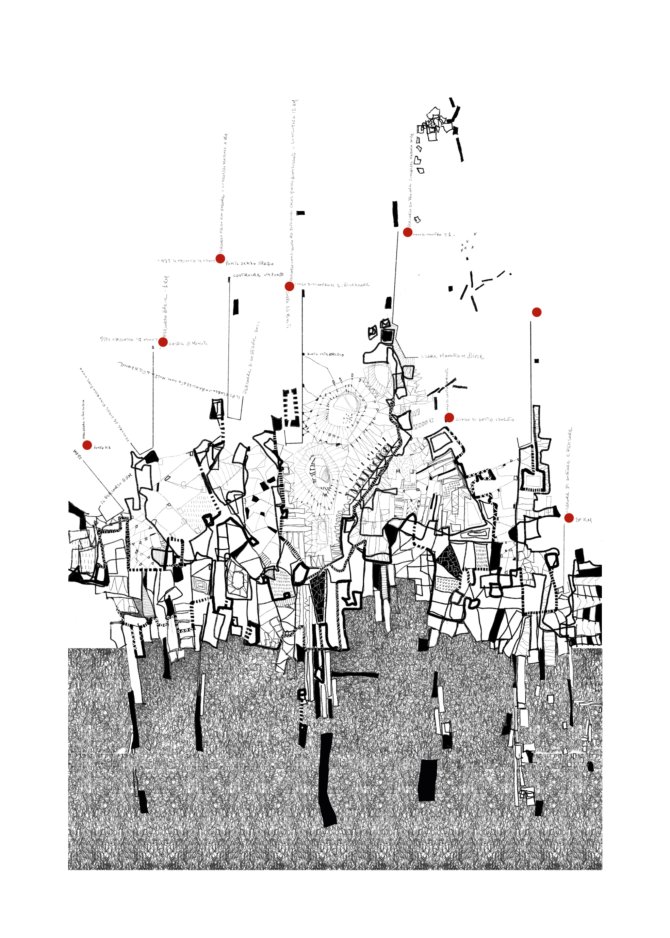
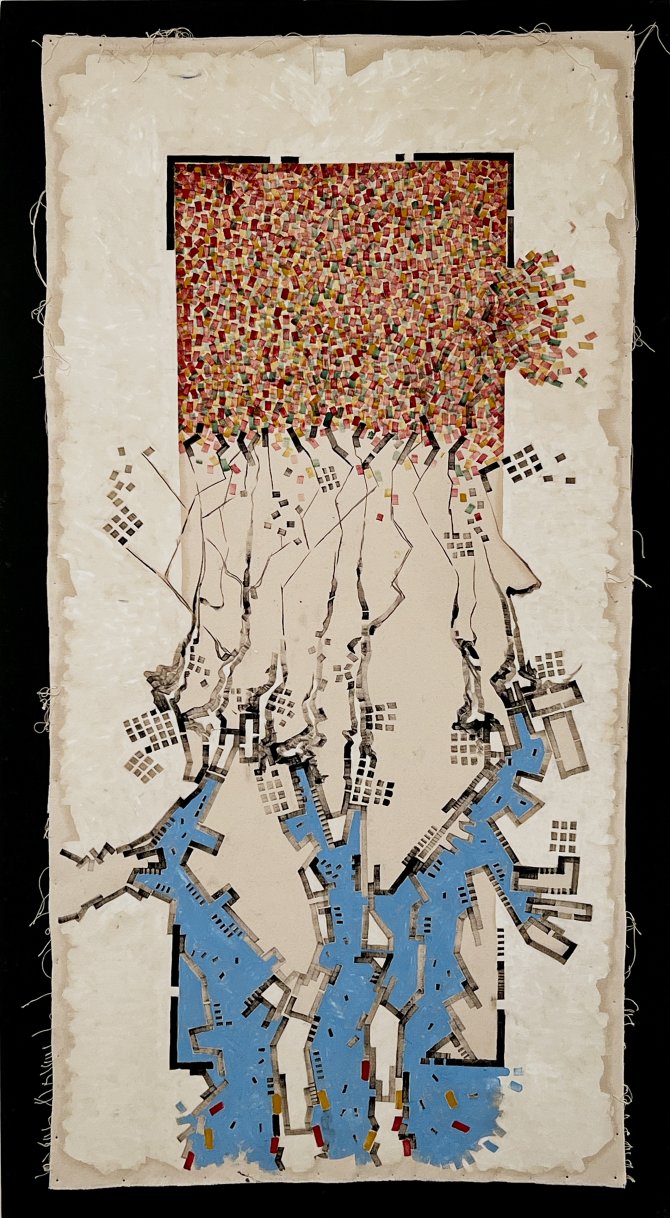
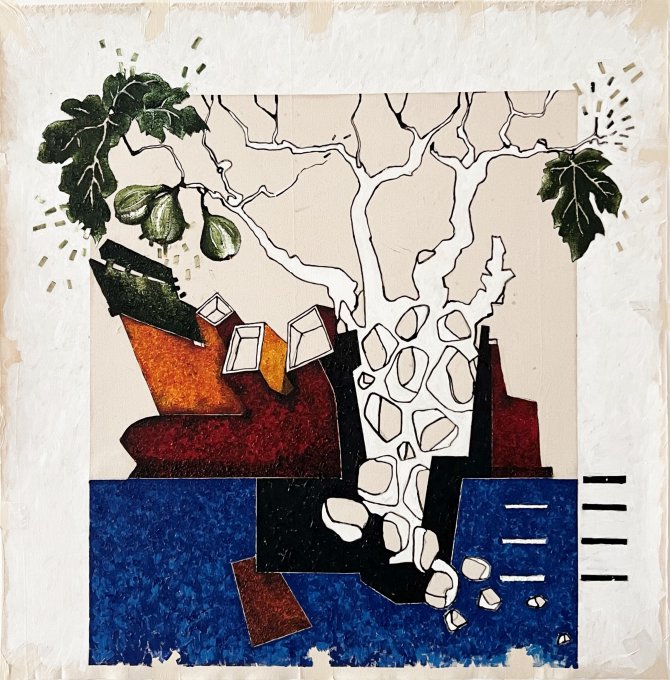
The studio focuses on students’ experience with creativity, imagination, and art (CIA) as key tools for innovative design in landscape architecture.
Ecology and Landscape
Ecology, as an applied science in landscape architecture, has been strongly influenced by the school of Ian McHarg and his book Design with Nature (1968). During the 1970s, ecology also found theoretical and experimental foundations in Land Art, an artistic movement developed between the 1970s and 1980s, later influencing landscape architecture.
Since the end of the twentieth century, landscape architecture has undergone a significant aesthetic evolution, supported by the experimentation of new parks in both Western and Eastern contexts. These parks often reclaimed vacant urban areas or former industrial sites, assigning them new functions. As cities required strongly characterized spaces capable of restoring identity and spatial quality, creativity and imagination became central to landscape design. In Ecology and Landscape as Agents of Creativity (1999), James Corner clearly defines the relationship between creativity, landscape, and the imagination of a strongly identity-driven design.
More recently, the concept of the ecological garden or ecological park has been reinterpreted through new research approaches that emphasize the absence of visible design, understood as the absence of explicit human traces, generating new schools of thought.
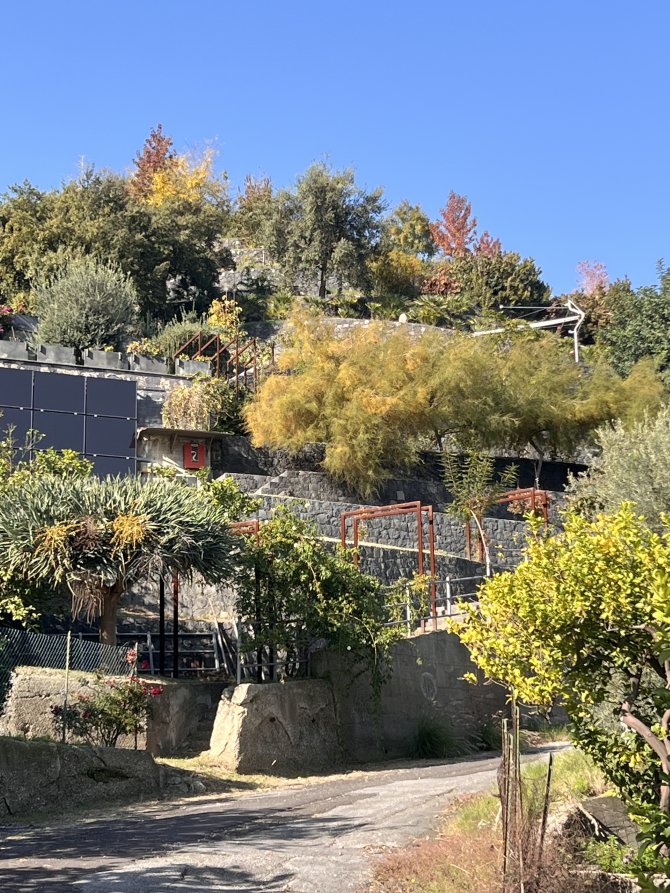
Together with the students, the studio investigates the relationship between ecology and art, aiming to balance the need for strong spatial characterization with a dynamic and proactive approach based on ecological, resilient creativity and imagination.